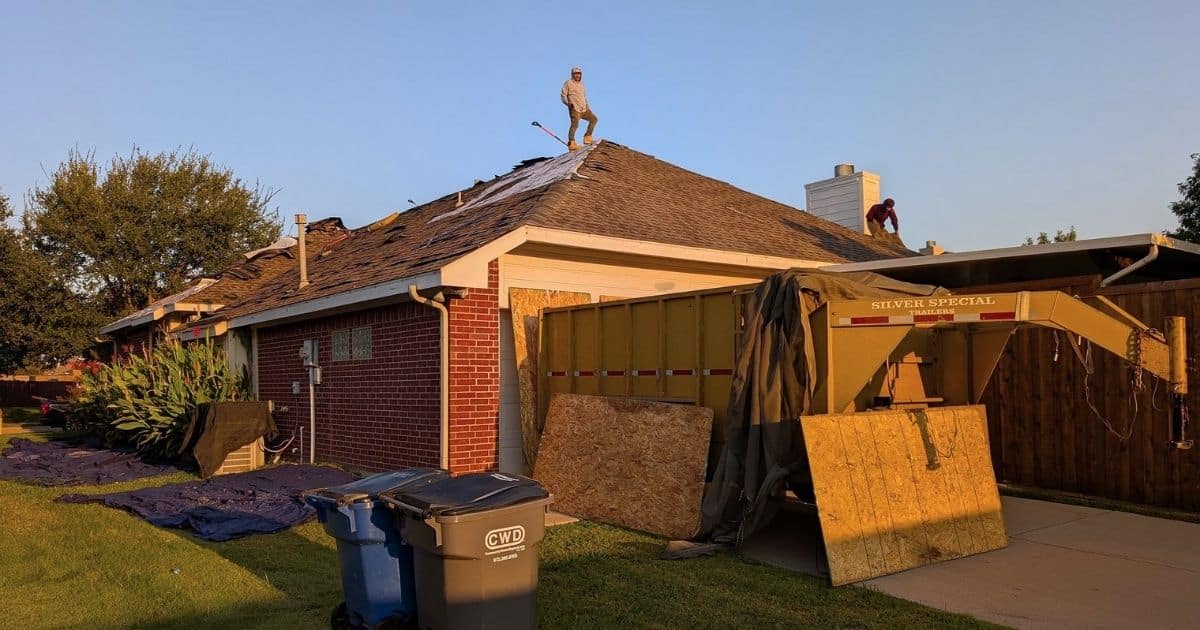
Dallas homeowners face intense heat, hailstorms, strong winds, and sudden weather changes that accelerate roof wear. As many residential roofs approach the end of their lifespan and insurance requirements continue to evolve, 2026 presents an ideal time to plan for replacement. This guide outlines five key reasons why upgrading residential roofing Dallas homes in 2026 can improve protection, energy efficiency, insurance approval, and long-term value.
Why Residential Roofing Decisions Matter in Dallas
Dallas sits in a region known for extreme and unpredictable weather. Long, hot summers place stress on roofing materials, while hailstorms and strong winds can cause sudden damage. These conditions shorten roof lifespan compared to more stable climates.
A residential roof protects your home’s structure, interior, and belongings. Waiting until a roof fails often leads to emergency repairs, interior water damage, and higher replacement costs. Planning a roof replacement in advance allows homeowners to choose materials, schedule work strategically, and reduce stress.
Reason 1: Many Dallas Roofs Are Near the End of Their Lifespan
A large number of homes across Dallas and surrounding suburbs were built or last reroofed 15 to 25 years ago. That timeframe places many roofing systems at or beyond their expected service life.
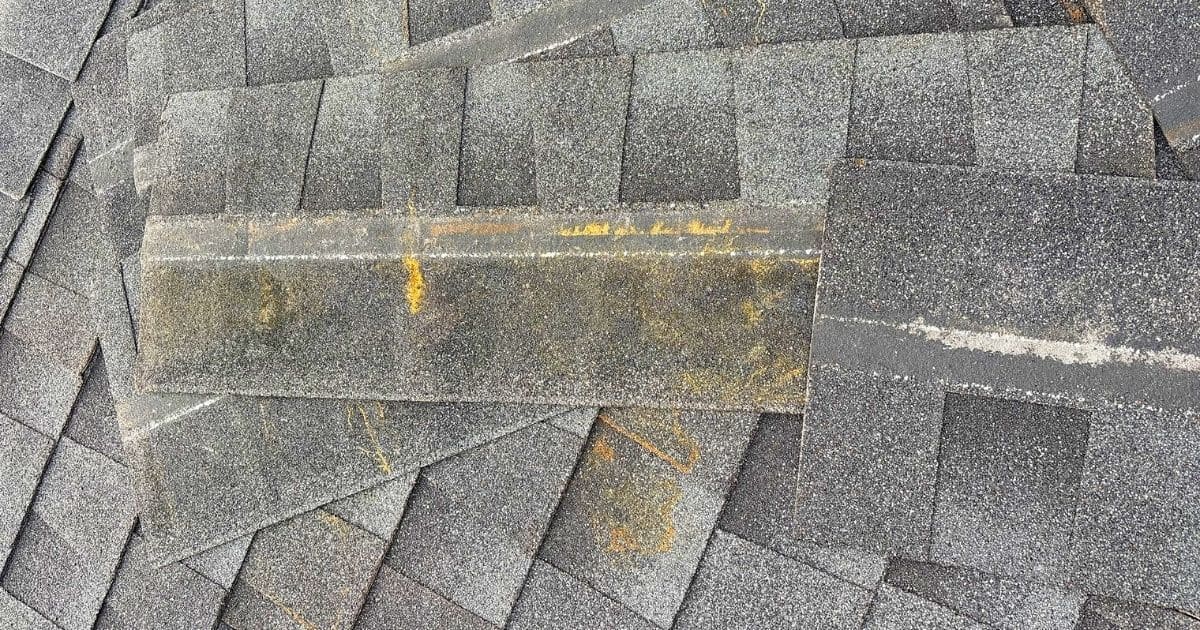
Common warning signs include cracked or curling shingles, granule loss, missing shingles after storms, and recurring leaks. While repairs may temporarily address isolated issues, they do not restore overall system integrity.
Replacing aging systems with modern residential roofing Dallas materials in 2026 allows homeowners to improve durability and long-term performance.
Reason 2: Hail and Storm Risk Continues to Increase
Dallas sits within a high-risk hail zone, and storm activity across North Texas has become more frequent. Even moderate hail can bruise shingles and weaken roofing systems without immediate visible signs.
New residential roofing systems feature improved impact resistance, stronger fastening methods, and better underlayment protection. These features help reduce future storm damage.
Upgrading residential roofing Dallas homes before severe damage occurs helps prevent emergency repairs and interior water intrusion.
Reason 3: Insurance Requirements Are Becoming More Strict
Insurance carriers in Texas increasingly evaluate roof age and condition during policy renewals. Older roofs may trigger higher premiums, coverage limitations, or renewal challenges.
Many homeowners discover insurance issues only after a storm or at renewal time. Replacing your roof proactively in 2026 positions your home as lower risk and helps avoid last-minute insurance problems.
A new residential roofing Dallas system improves insurability and provides peace of mind.
Reason 4: Improved Energy Efficiency Reduces Cooling Costs
Cooling costs are a major expense for Dallas homeowners during long summer months. Older roofs often lack proper ventilation, insulation, and reflective properties, forcing HVAC systems to work harder.
Modern roofing materials and installation techniques help reflect heat and regulate attic temperatures. This improves indoor comfort and reduces energy consumption.
Replacing your roof in 2026 allows homeowners to benefit from newer residential roofing Dallas options designed for energy efficiency and long-term savings.
Reason 5: Planned Replacement Saves Money and Reduces Stress
Emergency roof replacements often cost more than planned projects. Water damage can affect ceilings, walls, insulation, and personal belongings, increasing expenses quickly.
Planning ahead allows homeowners to compare materials, schedule installation during favorable conditions, and budget more effectively. It also allows time to coordinate with insurance and financing options if needed.
Modern residential roofing Dallas systems offer longer service life and reduced maintenance needs, helping control long-term ownership costs.
Choosing the Right Residential Roofing System for Dallas
Selecting the right roofing material is critical for performance in North Texas conditions. The best option depends on your home’s design, budget, and long-term goals.
Common residential roofing options in Dallas include:
- Impact-resistant asphalt shingles
- Metal roofing systems for durability and longevity
- Enhanced underlayment systems for moisture protection
- Proper ventilation upgrades for attic performance
A professional contractor experienced in residential roofing Dallas can evaluate your home and recommend the best solution.
Why Work With a Professional Residential Roofing Contractor in Dallas
Residential roof replacement requires proper licensing, skilled crews, and knowledge of local building codes. Working with an experienced contractor ensures proper installation, warranty protection, and code compliance.
A trusted roofing contractor provides:
- Thorough roof inspections
- Clear replacement recommendations
- Quality materials
- Skilled installation teams
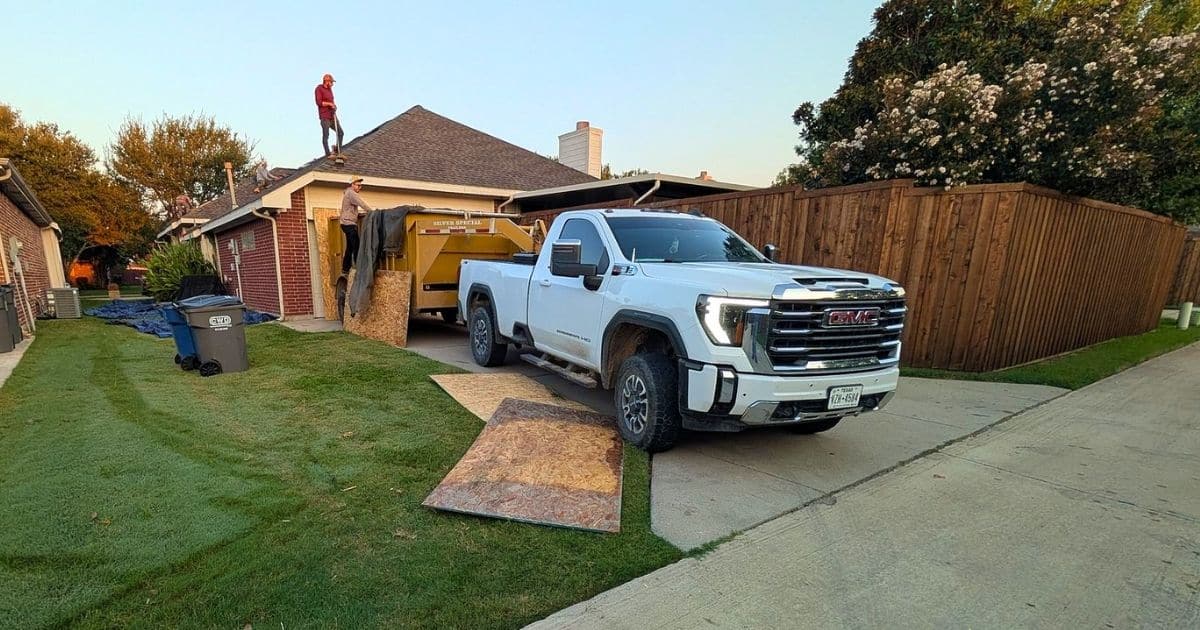
- Clean and organized job sites
- Long-term warranty support
Superior One Roofing brings extensive experience to Dallas residential projects and understands local weather risks, insurance requirements, and performance standards.
Conclusion: Planning Ahead for Residential Roofing in Dallas
Aging roofs, increasing storm activity, rising energy costs, and evolving insurance requirements make 2026 an ideal time to plan for roof replacement. Investing in residential roofing Dallas upgrades improves protection, efficiency, and long-term value while reducing the risk of unexpected disruptions.
By planning ahead, Dallas homeowners can control timing, costs, and material selection while protecting their homes for years to come. If your roof is nearing the end of its lifespan or showing signs of wear, now is the right time to schedule a professional evaluation and begin planning for replacement.
