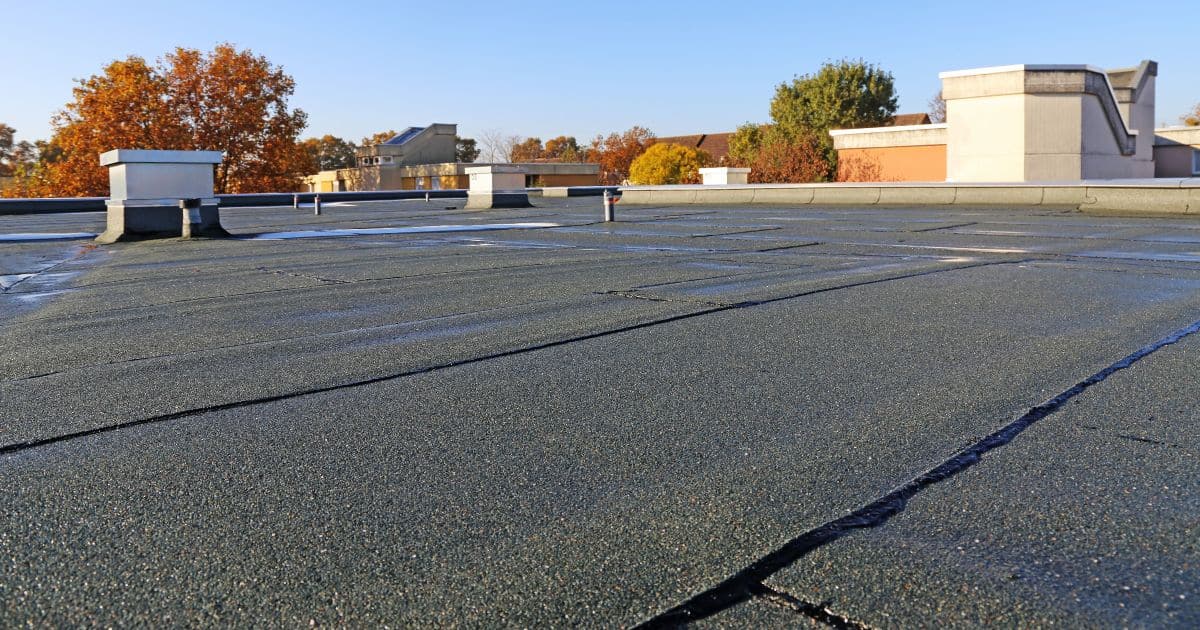
Built-up roofing remains a trusted commercial roofing system for many Texas properties, especially flat and low slope buildings. Known for its multi-layer construction and long history of performance, built-up roofing Texas continues to be used on warehouses, industrial facilities, and commercial buildings across the state. This guide explains what built-up roofing is, why it is still relevant in Texas, the key benefits, and how to decide if it is the right roofing system for your property.
What Is Built-Up Roofing
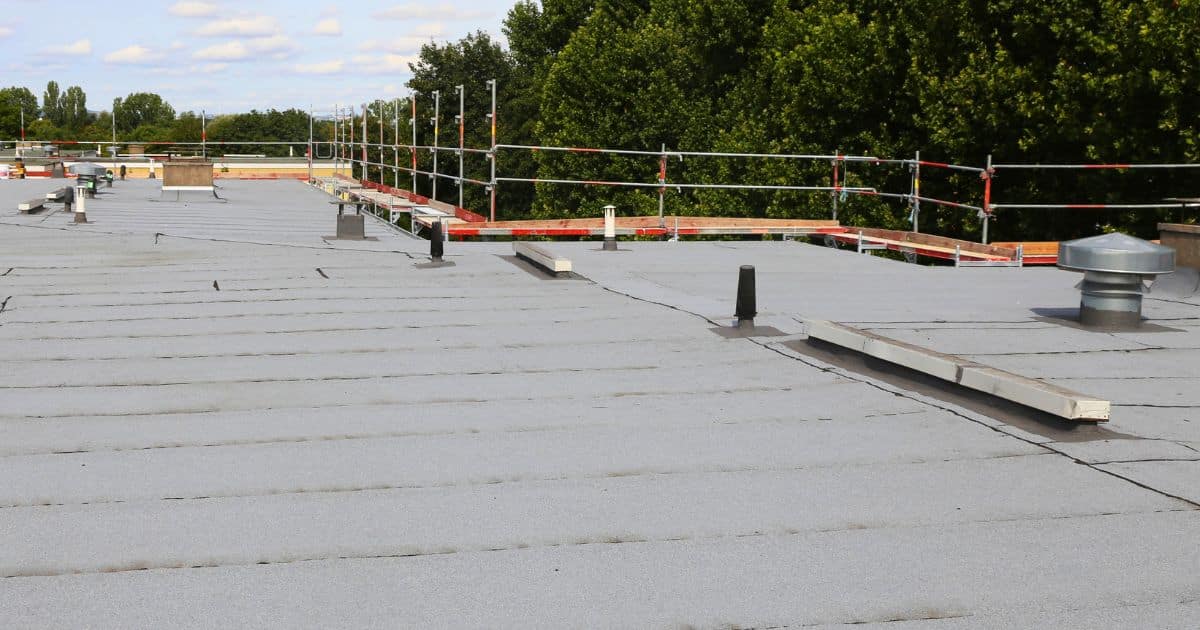
Built-up roofing, often referred to as tar and gravel roofing, is one of the oldest commercial roofing systems still in use today. It is created by layering multiple plies of roofing felt with asphalt or bitumen, followed by a protective top layer of aggregate such as gravel.
The layered construction creates a thick, durable membrane designed to resist water penetration and withstand heavy use. Because of its proven performance, built-up roofing is still a popular option for many commercial properties throughout Texas.
For property owners seeking durability and redundancy, built-up roofing Texas offers a system with a long track record.
Why Built-Up Roofing Is Still Used in Texas
Texas commercial buildings face extreme weather conditions that can be tough on roofing systems. Prolonged heat, intense sun exposure, strong winds, and sudden storms all place stress on flat and low slope roofs.
Built-up roofing continues to be used across Texas because its multi-layer design provides added protection. If one layer becomes compromised, the additional layers help prevent leaks and damage from spreading.
In cities such as Dallas, Fort Worth, Houston, Austin, and San Antonio, many large commercial and industrial buildings still rely on built-up roofing Texas systems for dependable performance.
Key Benefits of Built-Up Roofing for Texas Commercial Buildings
Multiple Layers of Waterproofing
One of the primary advantages of built-up roofing is its layered construction. Multiple plies of asphalt and felt create redundancy, which improves resistance to water intrusion.
This makes built-up roofing a strong option for buildings where long-term waterproofing is a priority.
Durability in Harsh Weather Conditions
Texas weather can be unpredictable. Built-up roofing systems are well suited for handling extreme heat, heavy rain, and wind exposure. The gravel surface helps protect underlying layers from UV damage and weather-related wear.
For many property owners, durability is a major reason they choose built-up roofing Texas.
Excellent Performance on Large Flat Roofs
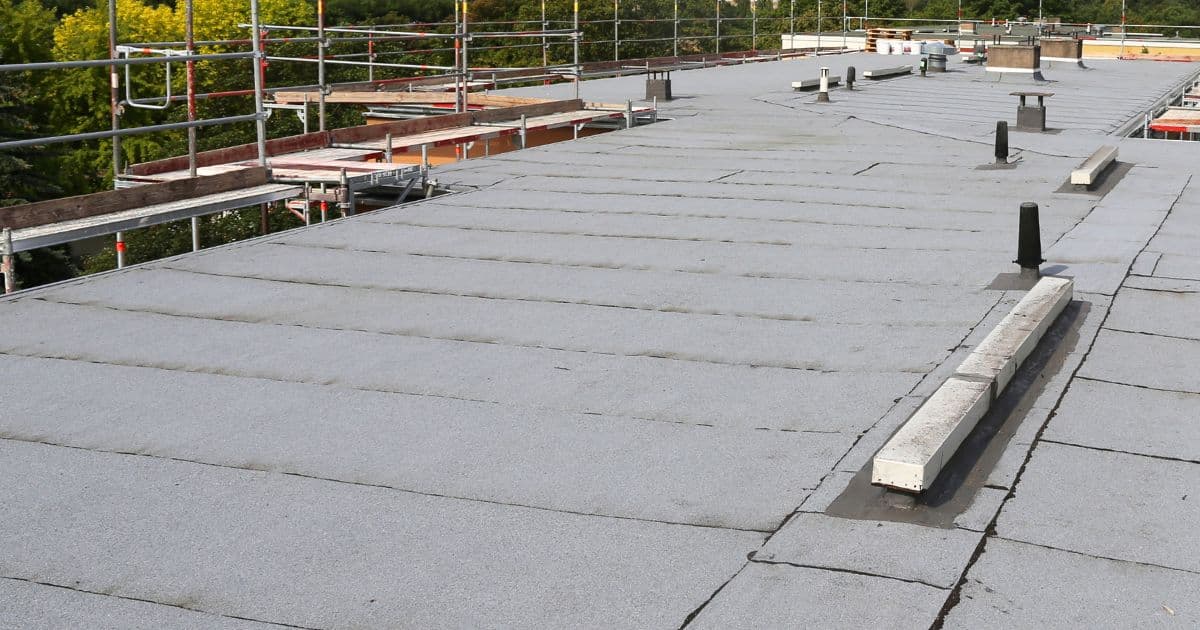
Built-up roofing performs especially well on large, flat commercial roofs such as warehouses, manufacturing facilities, and distribution centers. The system can handle foot traffic and rooftop equipment better than many single ply options.
This makes it a practical solution for buildings with frequent maintenance access or mechanical systems on the roof.
Fire Resistance
The gravel top layer provides added fire resistance compared to some other roofing systems. This can be an important consideration for certain commercial properties and industrial facilities.
Proven Long Term Track Record
Built-up roofing has been used for decades across the United States, including throughout Texas. Its long history gives property owners confidence in its reliability when installed and maintained properly.
Is Built-Up Roofing Right for Every Texas Property
While built-up roofing offers many advantages, it is not the best fit for every commercial building.
Factors to consider include:
- Structural capacity to support added weight
- Installation time and disruption
- Roof access and safety considerations
- Drainage design
- Budget and long-term maintenance plans
Some Texas properties may be better suited for TPO, PVC, or modified bitumen systems. A free professional roof inspection helps determine whether built-up roofing Texas is the right choice for your specific building.
How Long Does Built-Up Roofing Last in Texas
A properly installed and maintained built-up roof can last 20 to 30 years, and in some cases longer. Lifespan depends on factors such as installation quality, climate exposure, maintenance frequency, and drainage performance.
Regular inspections and prompt repairs help extend the life of built-up roofing systems, especially in regions with extreme heat and storm activity.
Maintenance Considerations for Built-Up Roofing
Like all commercial roofing systems, built-up roofing benefits from regular maintenance. Recommended practices include:
- Annual roof inspections
- Inspections after major storms
- Clearing debris from drains and scuppers
- Repairing cracks or surface damage promptly
- Monitoring gravel displacement
Proper maintenance helps ensure built-up roofing Texas systems continue to perform as designed.
What to Expect During a Built-Up Roof Installation
A built-up roofing installation typically involves:
- Roof inspection and evaluation
- Removal of existing roofing materials if required
- Preparation of the roof deck
- Installation of multiple asphalt and felt layers
- Application of the final protective gravel layer
- Flashing and detail work around penetrations
- Final inspection and documentation
Because installation is more labor intensive than some modern systems, choosing an experienced contractor is essential.
Why Texas Property Owners Choose Superior One Roofing
Built-up roofing requires skilled installation and careful attention to detail. Texas property owners choose Superior One Roofing because we provide:
- Extensive experience with commercial roofing systems
- Knowledge of Texas climate and building requirements
- Professional inspections and clear recommendations
- Proper permitting and code compliance
- Skilled crews and quality materials
- Ongoing maintenance and repair support
If you are considering built-up roofing Texas, our team can help evaluate your building and recommend the best solution.
Conclusion: Built-Up Roofing Remains a Reliable Option in Texas
Despite the availability of newer commercial roofing systems, built-up roofing remains a dependable option for many Texas commercial properties. Its layered construction, durability, and long performance history make it well suited for large flat roofs and demanding environments.
For property owners seeking a time-tested solution, built-up roofing Texas continues to deliver reliable protection when installed and maintained by experienced professionals.
If your commercial roof is nearing the end of its lifespan or you are evaluating replacement options, a professional inspection can help determine whether built-up roofing is the right system for your property.
