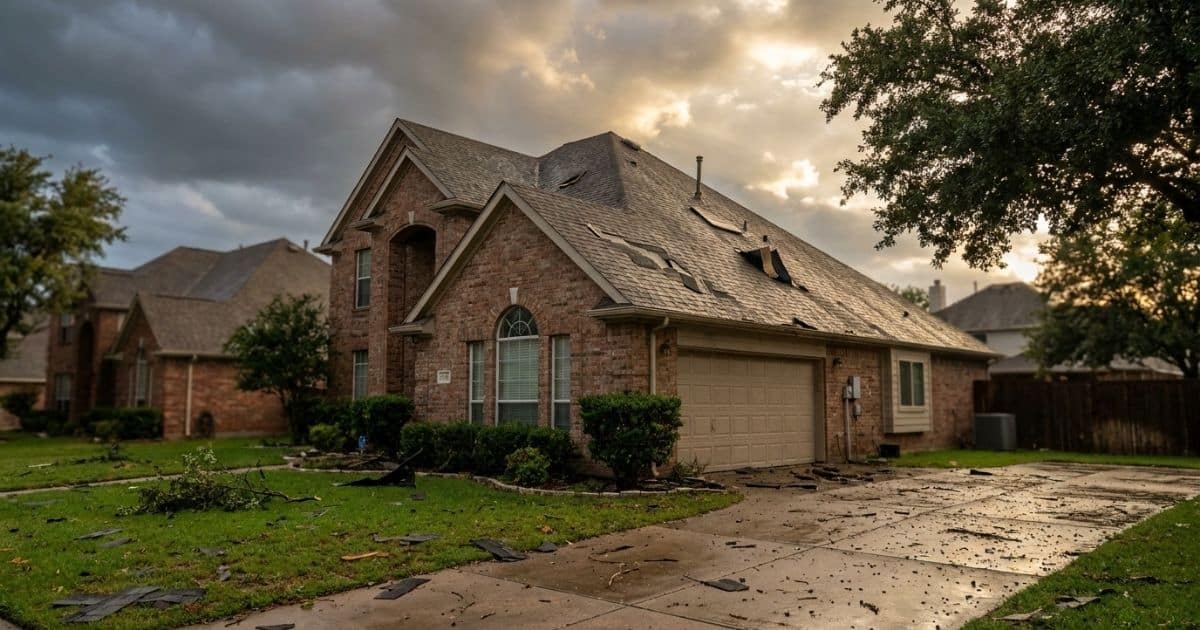
Roof storm restoration in Dallas involves inspecting your roof after severe weather, preventing additional damage, documenting storm-related issues, working with your insurance company when applicable, and completing the necessary repairs or roof replacement. Most restoration projects take anywhere from a few days to several weeks depending on the severity of the damage, insurance approvals, weather conditions, and material availability. Acting quickly after a storm can help prevent further damage, reduce repair costs, and restore your home safely.
Why Storm Restoration Is So Important in Dallas
North Texas is known for unpredictable weather. Throughout the year, Dallas homeowners experience severe thunderstorms, hailstorms, damaging straight-line winds, heavy rainfall, and occasional tornadoes. These weather events can compromise your roof even when damage is not immediately visible.
If storm damage goes untreated, it can lead to:
- Roof leaks
- Water intrusion
- Mold and mildew growth
- Damaged insulation
- Structural deterioration
- Interior ceiling and drywall damage
- Reduced energy efficiency
Prompt roof storm restoration in Dallas helps protect your home, minimize repair costs, and extend the life of your roofing system.
Common Types of Roof Storm Damage
Storms can affect every type of roofing system differently depending on the roofing material, the age of the roof, and the intensity of the storm.
After severe weather, roofing professionals commonly identify:
- Hail damage to asphalt shingles
- Cracked or bruised shingles
- Missing or lifted shingles
- Damaged metal roofing panels
- Loose or damaged flashing
- Fallen tree limbs or debris impacts
- Roof membrane damage on flat roofs
- Water intrusion around vents, skylights, and chimneys
Not all storm damage is visible from the ground. A professional inspection can uncover hidden problems before they become major repairs.
Roof Storm Restoration Timeline
One of the most common questions homeowners ask is how long roof restoration will take.
Although every project is unique, most follow a similar process.
Step 1: Schedule a Professional Roof Inspection
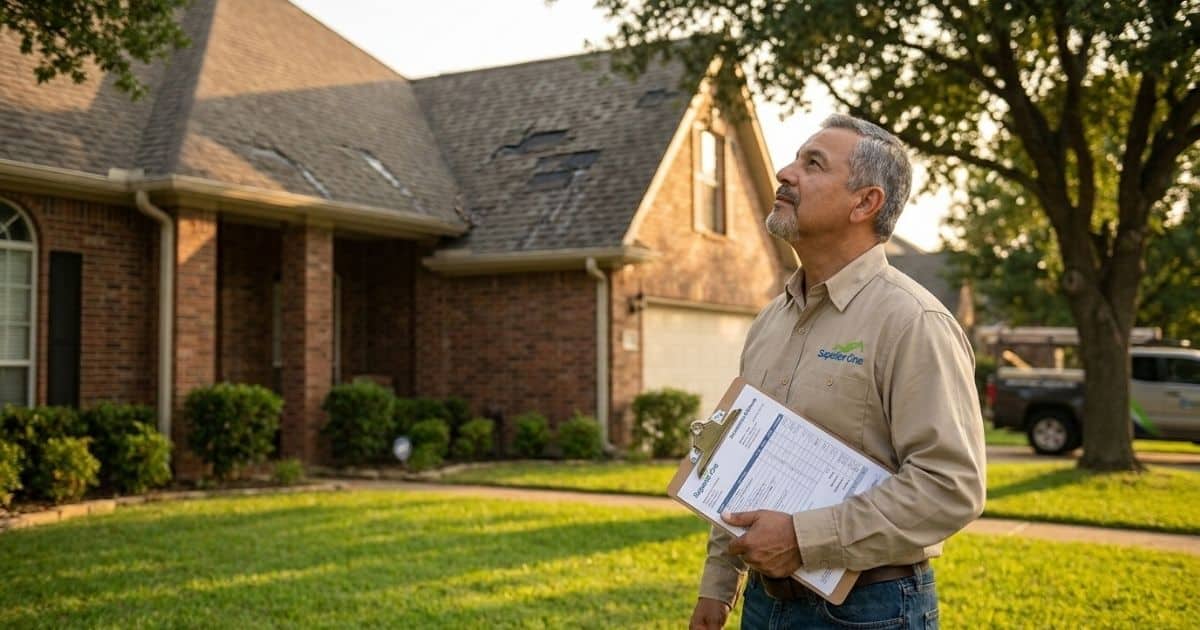
Once it is safe following a storm, schedule a comprehensive roof inspection.
During the inspection, a roofing professional will evaluate:
- Visible storm damage
- Hidden roof damage
- Active leaks
- Structural concerns
- Areas requiring immediate protection
If emergency tarping is necessary, it should be completed promptly to prevent additional water intrusion.
Step 2: Document the Damage
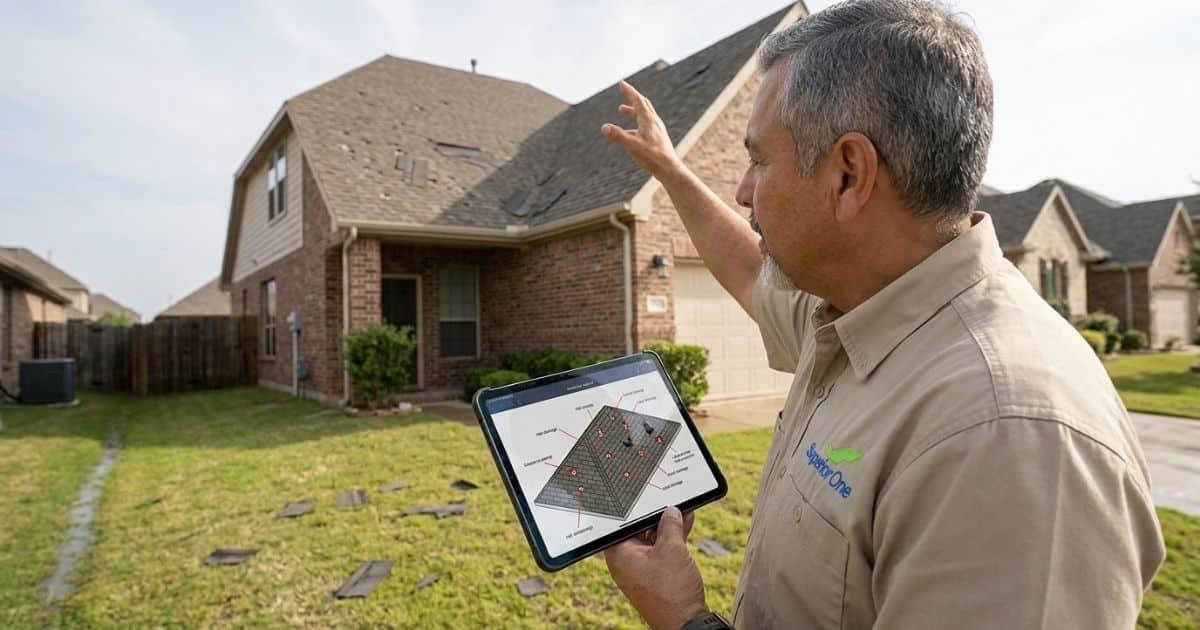
Your roofing contractor will carefully document storm damage with photographs, notes, and measurements.
Accurate documentation helps:
- Support insurance claims
- Develop an accurate repair estimate
- Identify all affected roofing components
Step 3: Insurance Claim Review
If your roof damage is covered by insurance, your contractor can assist by providing detailed inspection findings and documentation.
Insurance timelines vary depending on your carrier, but prompt inspections and complete documentation often help streamline the claims process.
Step 4: Roof Repairs or Replacement
After the scope of work is finalized, restoration begins.
Depending on the extent of the damage, work may include:
- Roof repairs
- Partial roof replacement
- Full roof replacement
- Flashing replacement
- Decking repairs
- Gutter repairs
Smaller projects may be completed in just a few days, while more extensive restorations may take several weeks depending on material availability and weather conditions.
Step 5: Final Inspection
Once restoration is complete, a final inspection verifies that all work has been completed properly and your roofing system is ready to protect your home for years to come.
What Does Roof Storm Restoration Cost?
The cost of roof storm restoration depends on several factors.
These include:
- Roof size
- Roofing material
- Severity of storm damage
- Structural repairs needed
- Roof accessibility
- Labor and material costs
Minor repairs are generally much less expensive than a complete roof replacement. However, delaying repairs can allow water intrusion to spread and significantly increase restoration costs.
A professional inspection is the best way to determine the condition of your roof and receive an accurate estimate.
What Should You Do After a Storm?
The steps you take immediately after severe weather can help protect both your home and your insurance claim.
We recommend:
- Inspect your property from the ground for visible damage.
- Take photos of any damage that is safe to document.
- Avoid climbing onto your roof.
- Schedule a professional roof inspection as soon as possible.
- Address active leaks with emergency protection if necessary.
- Keep records of storm damage, inspection reports, and repair estimates.
Acting quickly often reduces the likelihood of more extensive repairs.
Should You Repair or Replace Your Roof?
Not every storm-damaged roof requires replacement.
A professional roofing inspection can determine whether repairs or replacement offer the best long-term value.
Repairs may be appropriate when:
- Damage is isolated.
- The roof is relatively new.
- The roofing system remains structurally sound.
Replacement may be recommended when:
- Damage is widespread.
- Hail has compromised large sections of the roof.
- Multiple roofing components have failed.
- The roof is nearing the end of its expected lifespan.
- Ongoing repairs are becoming more costly than replacement.
An experienced roofing contractor can help you evaluate your options and choose the best solution for your home.
Why Dallas Homeowners Choose Superior One Roofing
When searching for trusted roof storm restoration in Dallas, homeowners need a roofing contractor with local experience and a proven track record.
Superior One Roofing provides:
- Free roof inspections
- Emergency roof repair services
- Complete storm damage restoration
- Residential roof replacement
- Roof repair for asphalt shingles, metal roofing, tile, and flat roofing systems
- Honest recommendations and transparent communication
- High-quality roofing materials from trusted manufacturers
- Experienced roofing professionals who understand North Texas weather
We are committed to helping Dallas homeowners restore their roofs quickly while delivering exceptional workmanship and customer service.
Frequently Asked Questions
How soon should I schedule a roof inspection after a storm?
As soon as weather conditions are safe. Even if your roof appears undamaged, hail or wind may have caused hidden issues that can worsen over time.
Does homeowner’s insurance cover storm damage?
Many homeowner’s insurance policies cover storm-related roof damage, although coverage varies by policy. Review your policy or speak with your insurance provider for details.
How long does roof storm restoration usually take?
Most projects are completed within a few days to several weeks depending on the extent of the damage, insurance approvals, weather conditions, and material availability.
Is hail damage always visible?
No. Many forms of hail damage cannot be identified from the ground and require a professional roofing inspection to detect.
Schedule Your Dallas Roof Storm Inspection Today
If your home has recently experienced hail, high winds, or severe storms, don’t wait for a leak to appear.
Superior One Roofing provides professional roof storm restoration in Dallas with comprehensive inspections, expert repairs, complete roof replacements, and dependable customer service.
Contact our team today to schedule your roof inspection and restore your home’s first line of defense with confidence.
